

How Dubai Heat, Humidity and Sand Affect Building Facades
Key Takeaways
- Dubai’s heat, humidity, and sand impact building facades through thermal movement, moisture ingress, salt corrosion, coating wear, and dust deposition.
- Heat damage facade Dubai issues often begin with cracked sealant, panel movement, and coating failure.
- Humidity facade damage and coastal salt exposure can increase the risk of corrosion and water ingress.
- After a sandstorm, sand abrasion facade problems become more noticeable, especially on glass, coatings, and drainage paths.
- A regular Dubai summer building inspection helps identify small issues before they affect safety or repair budgets.
Introduction
A Dubai summer building inspection is one of the smartest ways to catch heat damage before it turns into costly facade repairs. Dubai’s sun, humidity, salt air, and sand do not just affect appearance; they can affect sealant performance, cladding movement, drainage, and long-term structural safety.
Dubai’s climate is intense. Summers are extremely hot and humid, with daytime highs regularly above 40°C (see the UAE National Center of Meteorology for current conditions). A Dubai climate facade faces a tough mix of heat, moisture, salt, and dust, so facade maintenance needs to be planned around the seasons. Add coastal salt, strong sunlight, and occasional sandstorms, and it becomes clear why facades need more than occasional cleaning.
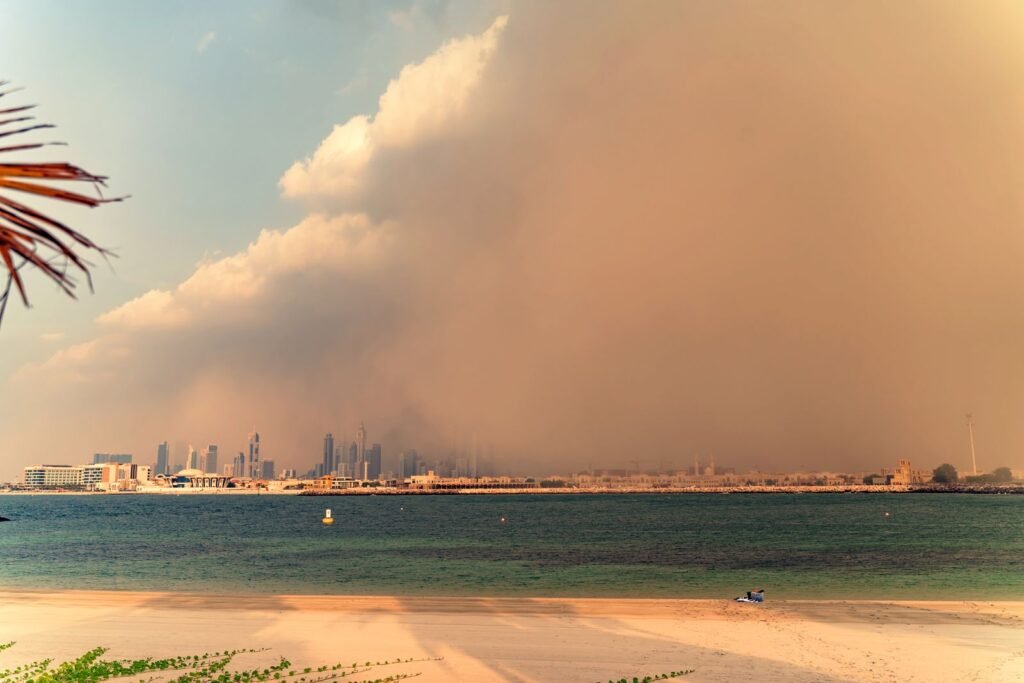
How Dubai Weather Affects Facades
Dubai’s weather affects facades by combining heat-driven movement, moisture and salt exposure, and abrasive dust. Together, these conditions can weaken sealant, damage coatings, corrode metal parts, and allow water into the building envelope.
Every facade has weather limits. In Dubai, heat, humidity, salt, and dust can push facade materials beyond their normal performance range, especially when maintenance is delayed. A Dubai summer building inspection checks each of these limits before the hottest months.
The biggest mistake is waiting until a defect is visible from the pavement. By then, water may already have entered a joint, or corrosion may already be developing behind a cladding panel.
What Heat Does to Building Facades
Dubai’s high temperatures create a daily cycle of expansion and contraction. Facade materials heat up under the sun, then cool at night. Repeated movement can slowly stress the building envelope.
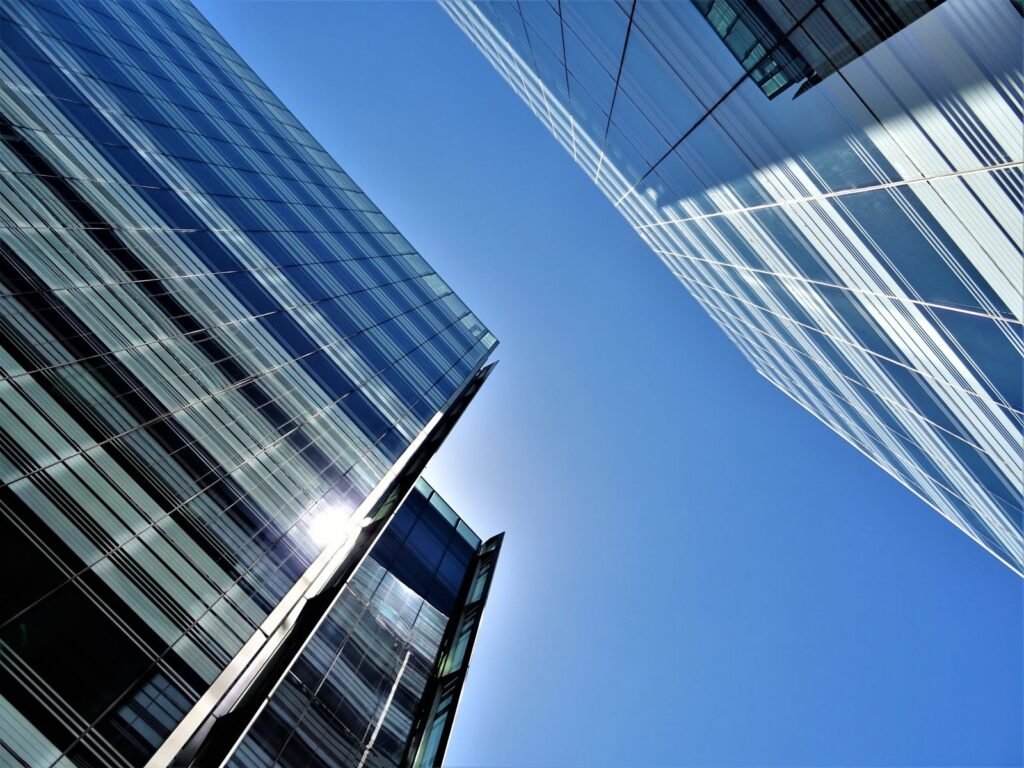
- Thermal expansion: Metal framing, cladding, and glazing systems expand when they get hot and contract when they cool.
- Sealant performance: Sealant can harden, crack, shrink, or separate from the joints due to heat and UV exposure.
- Coating condition: Paint and protective coatings can fade, chalk, peel, or lose flexibility over time.
- Glass stress: Uneven heating of the glass can cause thermal stress, particularly at shaded areas or damaged edges.
- Corrosion risk: Salt and moisture combined with heat increase corrosion.
These are common heat damage facade Dubai issues. They rarely appear all at once. Instead, they build up quietly over several seasons. A Dubai summer building inspection should record sealant, coating and cladding condition first.
What Humidity and Salt Do to Facades
Humidity facade damage often shows up as staining, damp patches, corrosion, or water entering through failed joints. In Dubai, coastal buildings face an added challenge: salt carried by sea air.
Humidity tends to cause the following problems:
- Condensation: Warm, moist air hits a cold surface, causing moisture to form.
- Water ingress: Blocked drainage, damaged gaskets, or cracked sealant may allow water to enter the facade system.
- Salt corrosion: Salt can corrode aluminium, steel fixings, railings, cladding supports, and window hardware.
- Water staining: Stains may point to a leaking joint, balcony drainage issue, or damaged waterproofing.
- Thermal bridging: Moisture and uneven temperatures can affect how well insulation works and cause unusual warm or cold spots.
Salt in the air, humidity, and strong sun can speed up corrosion and coating breakdown on coastal buildings.
If you notice a stain that returns after every cleaning, treat it as a clue, not just dirt.
How Sand and Dust Damage Facades
Dubai’s sandstorm events leave behind more than a dusty view. Fine particles settle across the building and can work their way into joints, tracks, and drainage outlets.
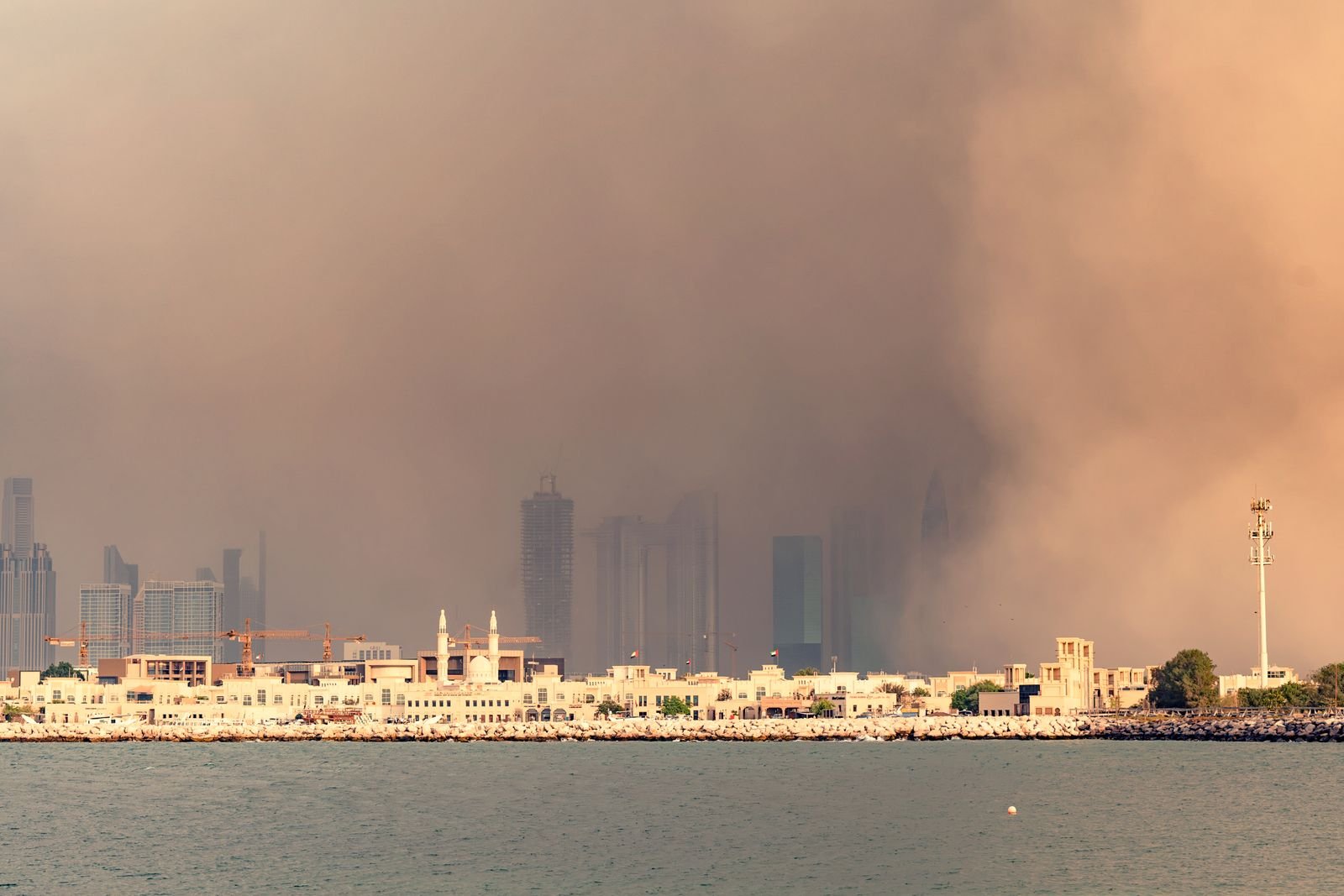 Sand abrasion facade problems may include:
- Fine scratches to glass and coated metal.
- Dull or unevenly finished paint or cladding.
- Dust in the corners of window frames and joints.
- Blocked drains on balconies and drainage channels on the facade.
- Hidden corrosion, concealed cracks, or open joints covered by dust.
After a sandstorm, clean the accessible surfaces first, then inspect. Cleaning helps reveal the real condition of the facade. Without inspection, dust can easily hide early signs of water ingress or material wear. A Dubai summer building inspection after a sandstorm confirms whether dust is hiding damage.
Worried about heat or sand damage on your building?
Talk to Baseera 360’s engineers about a seasonal facade check for your Dubai building.
Best Time for a Dubai Summer Building Inspection
The best inspection schedule depends on the building’s age, location, facade type, and exposure level. Still, some timings are useful for almost every property.
A summer inspection should focus on areas most exposed to heat, UV, and thermal movement, especially where sealant, coatings, and cladding joints are ageing.
| Period | Focus area | Practical benefit |
|---|---|---|
| Before summer | Sealant, coatings, drainage, cladding fixings, glazing | Prepares the facade for heat and UV stress |
| Early morning during summer | Thermal anomalies, panel movement, surface defects | Cooler surfaces can improve thermal imaging accuracy |
| After sandstorms | Dust, drainage, staining, glass condition | Identifies weather-related wear and blockages |
| After rain | Leaks, water tracking, ponding, joint failure | Reveals waterproofing and drainage weaknesses |
| Before winter | Corrosion, condensation risk, insulation performance | Prepares for cooler nights and temperature changes |
A sensible Dubai climate building maintenance routine includes inspection before summer, a review after the season, and additional checks after major weather events.
How to Reduce Facade Damage
Small, steady maintenance, plus a yearly Dubai summer building inspection, saves a lot over time.
- Inspect sealant joints and repair any cracks before water finds a way in.
- Keep drains, balcony outlets, and window tracks clear.
- Clean with material-safe methods and keep water out of the joints.
- Track the coatings and note any fading, peeling, or chalking.
- Inspect metal components for corrosion, particularly in coastal areas.
- Review high or hard-to-access areas safely with drone imagery and thermal imaging.
- Keep inspection records, so each season can be compared with the last.
Thermal imaging can detect temperature differences that may indicate trapped moisture, loss of insulation, or ingress of water. It is a useful screening tool, but it does not replace engineering assessment.
Need a seasonal check? Talk to the Baseera 360 team about a facade inspection for your building.
How Baseera 360 Can Help
Baseera 360 supports building owners with drone facade inspection, thermal imaging, aerial mapping, and engineering-led reporting. The goal is simple: give owners a clear picture of facade condition, highlight areas that need attention, and help plan maintenance before small defects become major repairs.
If your building is exposed to coastal salt, recurring dust, ageing sealant, or water stains, a seasonal inspection can help you stay ahead of Dubai’s climate.
Related reading:
Ready for a Summer Facade Check?
A Dubai summer building inspection is easier to plan before the heat peaks. Share a few details about your building and the Baseera 360 team will suggest the right scope.
Plan your Dubai summer building inspection
Tell us about your building and we will recommend the right inspection approach, timing and report format.
